
 By
By 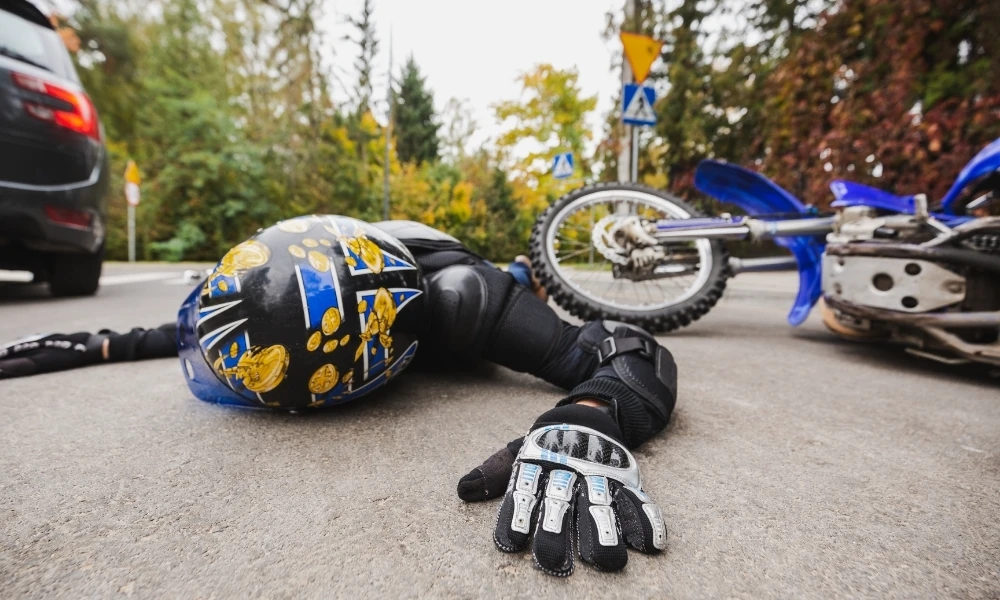
A motorcycle crash can change a person’s life in a matter of seconds. In contrast to occupants of enclosed vehicles, motorcyclists have little protection in a collision, making serious injuries far more likely. While some people recover within weeks, others face months or even years of treatment before they regain independence. Riders and their families can better prepare for the physical, psychological, and financial difficulties that frequently follow a serious crash by being aware of which injuries frequently necessitate long-term care.
Traumatic Brain Injuries Can Have Lasting Effects
One of the most serious outcomes of a motorcycle crash is a traumatic brain injury. Even when a rider wears a helmet, a powerful impact can cause the brain to move within the skull, resulting in damage that affects memory, concentration, speech, or coordination.
Recovery often involves neurologists, rehabilitation specialists, occupational therapists, and speech therapists. Some individuals eventually return to their normal routines, while others continue to experience cognitive or behavioral changes that require ongoing support.
Spinal Cord Damage May Require Lifelong Treatment
Injuries involving the spinal cord can permanently affect mobility and independence. Partial or total paralysis may result after an injury, depending on its location and severity.
Long-term care frequently includes physical rehabilitation, adaptive equipment, home modifications, and continuous medical monitoring. In order to increase their mobility and gradually enhance their quality of life, patients frequently collaborate with several medical specialists.
Multiple Fractures Can Lead To Extended Recovery
Broken bones are common in motorcycle collisions because riders are often thrown from their motorcycles during impact. Complex fractures involving the pelvis, legs, arms, or hips may require surgery, metal implants, and months of rehabilitation.
Although bones eventually heal, stiffness, reduced strength, and chronic discomfort may continue long after the initial injury. Recovery frequently depends on consistent physical therapy and gradual rebuilding of muscle function.
Severe Road Rash Can Result In Permanent Complications
Road rash is sometimes underestimated, but severe cases extend well beyond minor scrapes. Victims may need skin grafts, infection control, and reconstructive surgeries if layers of skin are removed due to contact with pavement.
Extensive scarring can affect movement if injuries develop around joints, while nerve damage may cause lasting sensitivity or numbness. Continued wound care and follow-up treatment are often necessary throughout the healing process.
Joint Injuries May Affect Daily Activities
Shoulders, knees, elbows, and wrists are particularly vulnerable during motorcycle crashes. Torn ligaments, cartilage damage, and joint dislocations can limit movement for extended periods.
Some patients undergo multiple surgeries before achieving acceptable function. Even after rehabilitation, arthritis and chronic pain may develop, making routine activities more challenging as time passes.
Internal Organ Injuries Require Careful Monitoring
The force generated during a motorcycle collision can damage internal organs without producing immediately visible symptoms. Injuries involving the liver, kidneys, lungs, or spleen often require emergency medical intervention.
Although initial treatment may stabilize the condition, long-term monitoring remains important because complications sometimes develop months after the accident. Ongoing medical evaluations help ensure proper healing and identify any lasting health concerns.
Chronic Pain Can Continue After Physical Healing
Not every injury is visible on medical imaging. Many crash victims develop chronic pain that persists long after fractures heal or wounds close. Nerve injuries, muscle damage, and scar tissue may contribute to ongoing discomfort.
Pain management programs often combine medication, physical therapy, lifestyle modifications, and specialized treatment plans designed to improve daily function while minimizing dependence on medication.
Rehabilitation Extends Beyond The Hospital
Recovery from serious motorcycle injuries rarely ends when a patient leaves the hospital. Occupational therapy, vocational rehabilitation, psychological counseling, and home-based care may all become essential parts of long-term recovery.
The overall goal is to help injured individuals regain independence while adapting to any permanent physical limitations that remain after treatment.
In order to better understand how future medical costs and long-term care requirements may be taken into account while pursuing compensation, those facing lengthy recuperation often speak with a motorcycle accident lawyer in Denver. As rehabilitation continues, a motorcycle accident lawyer can help evaluate whether projected healthcare costs, reduced earning capacity, and other long-term losses are adequately reflected during the claims process. Early guidance from a motorcycle accident lawyer may also help preserve important evidence while victims focus on their medical recovery.
Conclusion
Motorcycle crashes often produce injuries that extend far beyond the initial emergency response. Brain injuries, spinal damage, severe fractures, internal trauma, and chronic pain can require years of medical treatment and rehabilitation. Long-term care involves far more than healing physical wounds. It includes restoring independence, maintaining quality of life, and preparing for future healthcare needs. Understanding the lasting impact of these injuries allows riders and their families to make informed decisions while navigating the road toward recovery.





Comments