
 By
By 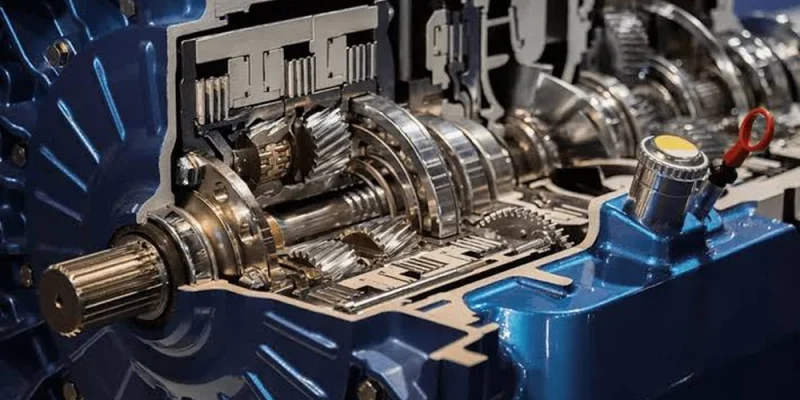
In industrial systems, performance and efficiency heavily depend on how well mechanical power is transferred between components. This is where selecting the right mechanical power transmission provider becomes a critical decision. From precision engineering to long-term reliability, the provider you choose directly affects operational stability, maintenance costs, and overall productivity.
Using a trusted mechanical power transmission provider ensures that systems run smoothly, energy loss is minimized, and equipment lifespan is maximized. In modern industries where downtime equals loss, this choice carries significant long-term impact.
Key Takeaways
- Precision in power transmission systems improves efficiency, durability, and long-term performance
- High-quality components reduce energy loss, maintenance costs, and system failures
- The right mechanical power transmission provider offers customized solutions for unique industrial needs
- Reliable systems improve productivity and reduce unexpected downtime
- Engineering class components deliver superior strength for high-load applications
- Monitoring component life cycles helps optimize maintenance and reduce operational risks
- Smart technologies enable real-time tracking and predictive maintenance
The Power of Precision in Mechanical Systems
Precision is the foundation of effective mechanical power transmission. Even minor inefficiencies in alignment, material quality, or design can lead to energy loss and equipment wear. That is why working with a dependable mechanical power transmission provider is essential for achieving consistent system performance.
High-precision components ensure smoother operation, reduced friction, and better torque delivery. This directly translates into improved machinery efficiency and lower long-term operating costs.
Efficiency Gains Through High-Quality Components
A reliable mechanical power transmission provider supplies components designed to minimize energy loss and maximize output. Precision-engineered sprockets, gears, and chains allow systems to operate with greater stability and less mechanical resistance.
These improvements result in lower power consumption, reduced maintenance needs, and increased productivity across industrial operations. Over time, businesses experience fewer breakdowns and improved system reliability.
Cost Savings and Long-Term Financial Benefits
Choosing the right mechanical power transmission provider is not just a technical decision but a financial one. While low-cost components may seem attractive initially, they often lead to higher repair costs, downtime, and inefficient operations.
Investing in high-quality mechanical systems reduces unexpected failures and extends equipment lifespan. This creates long-term savings and strengthens overall business performance.
Custom Solutions for Industrial Requirements
Different industries require different transmission solutions. A professional mechanical power transmission provider offers customized designs tailored to specific operational needs, whether for manufacturing, mining, logistics, or energy systems.
Custom components ensure better load handling, improved compatibility, and optimized performance under demanding conditions. Engineering class sprockets and specialized designs are particularly useful for high-stress applications where standard parts are not sufficient.
Reliability and System Performance Stability
Reliability is a core advantage of working with an experienced mechanical power transmission provider. Consistent performance ensures uninterrupted operations and minimizes production delays.
Understanding the lifecycle of components is essential in maintaining system reliability. Regular monitoring, maintenance scheduling, and early detection of wear help prevent unexpected failures and improve overall efficiency.
Maintenance Optimization and Operational Control
Proper maintenance strategies are key to sustaining mechanical system performance. A strong mechanical power transmission provider supports long-term operational success by offering durable components that require less frequent servicing.
Routine inspections, lubrication, and load monitoring help maintain system stability. This proactive approach reduces downtime and ensures smoother production processes.
Innovation in Mechanical Power Transmission Technology
Modern mechanical systems are evolving with the integration of smart technologies. Advanced components now allow real-time monitoring, predictive maintenance, and improved system diagnostics.
Smart sprockets and sensor-equipped components provide valuable operational insights, helping industries detect inefficiencies early and prevent costly failures. This innovation is reshaping how companies manage mechanical systems.
Sustainability and Future-Ready Solutions
Sustainability is becoming a major focus in industrial engineering. Leading mechanical power transmission provider companies now emphasize energy efficiency, reduced material waste, and environmentally conscious designs.
By adopting sustainable components and practices, industries not only reduce environmental impact but also improve long-term operational efficiency and compliance with modern standards.
FAQ
What does a mechanical power transmission provider do?
A mechanical power transmission provider supplies components like gears, sprockets, and chains that transfer mechanical energy within industrial systems, ensuring smooth and efficient operation.
Why is precision important in power transmission systems?
Precision reduces energy loss, minimizes wear and tear, and improves overall system efficiency and durability.
How does choosing the right provider reduce costs?
High-quality components last longer, require less maintenance, and reduce downtime, resulting in significant long-term savings.
Can power transmission systems be customized?
Yes, many mechanical power transmission provider companies offer customized solutions tailored to specific industrial applications and load requirements.
What industries use mechanical power transmission systems?
Industries such as manufacturing, mining, logistics, agriculture, and energy rely heavily on these systems for efficient machine operation.
What are smart mechanical components?
Smart components include sensors and monitoring technology that allow real-time performance tracking and predictive maintenance.
How often should mechanical systems be maintained?
Maintenance frequency depends on usage, but regular inspections and preventive maintenance are recommended to ensure long-term reliability.
What is the benefit of working with a trusted provider?
A trusted provider ensures consistent quality, better system performance, reduced downtime, and improved operational efficiency.





Comments