
 By
By 
It may sound easy until upon an ecommerce company has hundreds or thousands of orders to fulfill. You have to store your products, then pick and pack them, label them etc., and finally ship. Meanwhile, the venture should manage expenses of labor, wrapping packaging, and storage at delivery.
A strategic plan for order fulfilment enables these requirements to be met in balance. You don’t just want to ship a few more parcels. The goal is to do it all reliably and in customer service without compromise.
Find the Expensive Steps
Before migrating to a different fulfilment system, businesses need to track where they are losing money and time.
One such reason could be that, workers spend a lot of time walking around the warehouse to fetch products. Packaging employees might use bigger boxes. Orders can also be fulfilled using expedited or overly expensive services.
What seems like a minor inefficiency at first becomes expensive when it is repeated hundreds of times.
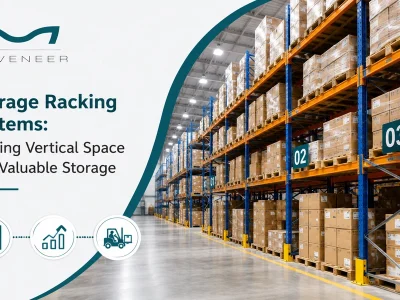
The Warehouse Layout Matters
This warehouse does not need to be gigantic for it to work.
Product placement might actually matter. You store heavy side frequently ordered items at easy access locations. They may also place products that are frequently bought together closer to each other.
This reduces the number of moves and speeds up the picking time.
Sometimes a layout review will offer better results than hiring more employees.
Smarter Packing Can Cut Waste
Review another area: packaging.
Shipping in the wrong box can lead to overuse of materials and potentially add shipping costs as well. Conversely, not a package that are small and weak may also run the risk of causing product damage.
A practical packing strategy considers:
- Product size and weight
- Protection requirements
- Box sizes
- Packing materials
- Shipping costs
This is the fine balance that can keep products safe but waste low.
Technology Can Remove Repetitive Work
Technology is not necessarily a fully-automated warehouse.
Order fulfilment can already be more accurate with simple tools. Barcode scanners diminish picking errors. It can boost the stock visibility with the help of inventory software. You can eliminate manual data entry with Automated shipping labels.
If it is a larger operation, they may already use warehouse management systems and how different supply-chain-related automated equipment can assist with fulfilment.
What technology is the right technology for you depends on order volume and operational requirements.
Measure Before You Change
A business should be aware of whether a new strategy is truly effective.
Useful measures include:
Cost per order | Picking and accuracy | Processing time | Return rate | Delivery Performance
You can tell if the investment is worth it by comparing those numbers before and after a change.
Develop for the Next Stage of Growth
A well-defined order fulfilment strategy should not only address the current challenges. It should also spare a little bit for potential future demand.
The most effective systems provide a combination of practicality, measurability, and flexibility. Optimizing delivery speed and movement without incurring avoidable expenditure by equipping micro-fulfillment centers with proper warehouse organization, technology upfronted packaging to support reduced deliveries onto customers.
It can turn a rapidly-expanding liability of fulfilment into a tightly-managed segment of the operation.






Comments