
 By
By 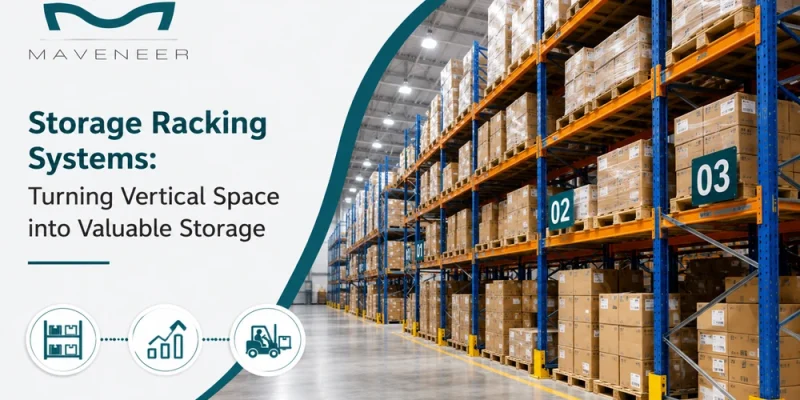
This is not always a new find needed to add more ground space in order to be able to keep extra products. Other times, the better answer is to simply use the space we have more intelligently.
How storage racking systems can keep inventory organized at various levels. Warehouses that utilize vertical space can store more product while still allowing items to be easier searched for and handled.
Look Up Before You Expand
One of the most valuable resources in a warehouse is floor space. Laying in extra shelves at ground level can result in aisles quickly becoming crowded. It can also restrict the movement of workers and equipment.
Vertical storage offers another option.
Using well-designed storage racking systems, products can be stored at various heights. This enables a facility to better utilize its warehouse space without the need of further building expansion in the short term.
Every Rack Serves a Different Purpose
Various products need various storage treatments. Needs for a warehouse that stores small cartons, heavy pallets, or long materials will be different.
Common options include:
Selective Pallet Racking
This is a common option in warehouses where a direct contact with single pallets is required. This works best for enterprise businesses with multiple product lines to manage.
Drive-In Racking
This design enables such forklifts to enter into the racking structure. It can provide high-density storage of slower-moving larger batch products.
Cantilever Racking
Typically shaped long or wide products can be harder to package in traditional shelving. Cantilever racks are specifically made to store things like pipes, timber, and other long or extended materials.
Mobile Racking
Mobile systems cut the number of fixed aisles by moving mobile rack sections to provide access when needed. This improve storage density in space-constraint facilities.
The Right Layout Matters
Getting racks is just one side of the equation. Their placement can have an impact on the overall workflow of the warehouse.
A well-planned layout should consider:
- Product size and weight
- Inventory turnover
- Forklift movement
- Aisle width
- Loading and unloading areas
- Worker access
Products purchased more often can have to positioned in accessible places. You can keep less frequently moving items in harder to access areas.
Safety Cannot Be an Afterthought
Safety is a consideration in your rack system, as it carries significant weight from the beginning.
The load that is expected must match the structure. Adhere to proper loading rules, promptly repaired all damaged parts.
Workers should also be aware of safe operating procedures around racks and material-handling equipment.
When Storage Needs Keep Changing
Except warehouses don’t seem to stay the same for years. Product ranges change. Order volumes rise and fall. There also could be new hardware on the way.
And this is why storage racking systems that can change are so valuable. Businesses that are building new are using modular design which may enable them to adapt storage as needed over time.
More Capacity Without More Chaos
Excellent storage does not mean cramming more products in a structure. It is about instituting a system where inventory can be safely stashed, effortlessly located, and effectively transported.
When integrated with the right storage racking systems, it can lead to better space utilization while enabling seamless warehouse functioning.
Prior to selecting a system, companies should analyze their products, available space, handling equipment, and future storage requirements. Vertical space that is left unused can be converted into a useful resource, without making it harder to operate within the warehouse in need of proper planning for the racking solution.






Comments