
 By
By 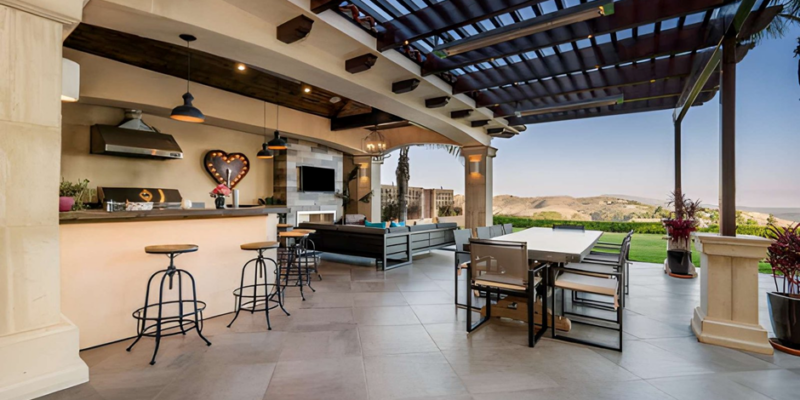
Designing an outdoor kitchen sounds simple at first. Put a grill outside, add a counter, maybe a table. But once you really start picturing summer evenings, friends dropping by, food sizzling away, you realise it deserves more thought than that. A well-designed outdoor kitchen is not just practical. It changes how you use your garden altogether. Let us walk through it properly.
Start with How You Actually Cook
Before choosing materials or layouts, pause for a second. Think about your cooking habits.
Do you:
- Host big weekend gatherings?
- Cook quick midweek meals outdoors?
- Love slow-smoking meats for hours?
- Prefer simple grilling and salads?
Your answers shape everything. There is no point building a huge setup if you mostly cook for four people. On the other hand, if you love entertaining, a cramped prep space will drive you mad.
Design for your lifestyle, not someone else’s Instagram.
Create Clear Work Zones
The best outdoor kitchens feel effortless to use. You move from prep to grill to serving without bumping into things.
Plan for:
- A dedicated cooking zone
- Nearby prep counters
- Storage for utensils and fuel
- Enough landing space beside the grill
Spacing matters more than people expect. A little breathing room between elements makes the whole setup feel calmer and more organised.
Choose Materials That Can Handle Real Weather
Outdoor kitchens live outside. They deal with sun, rain, wind, and maybe frost.
Look for materials like:
- Natural stone or brick surrounds
- Powder-coated metal frames
- Granite, slate, or durable composite worktops
- Treated timber accents
These don’t just last longer, they age well. And that matters.
Don’t Forget Comfort and Atmosphere
An outdoor kitchen is not only about cooking. It is about gathering.
Small touches go a long way:
- Task lighting around prep areas
- Subtle LED strips for evening ambience
- Comfortable seating within conversation distance
- Shade from pergolas or retractable awnings
- Access to power and water for convenience
When the layout feels welcoming, people stay longer. Simple as that.
Product Perspective: Bringing It All Together
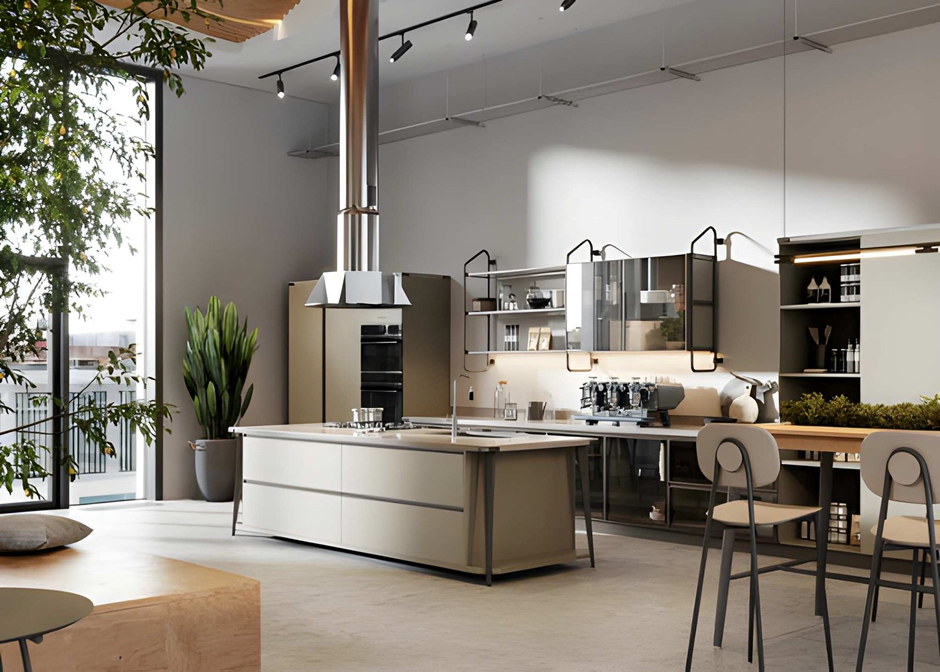
A thoughtfully integrated Kamado outdoor kitchen unit often becomes the natural focal point of the entire design. When positioned correctly, it supports proper airflow, comfortable counter height, and smart accessory storage without feeling forced into the layout. BBQs2u shares helpful design ideas and layout inspiration on their webpage, making it easier to visualise how such a unit can fit into gardens of different shapes and sizes.
In everyday cooking, the benefits are noticeable. Heat stays consistent for long sessions. Food retains moisture beautifully. The ceramic structure feels solid and dependable, even during extended cooks. It does take a little practice to master airflow adjustments, which is part of the charm, honestly, but once you settle into it, outdoor cooking becomes smoother and more enjoyable.
Final Thoughts
Designing your outdoor kitchen is not just about adding equipment. It is about creating a space that works naturally for you.
Plan carefully. Leave room to move. Choose materials that last. Add comfort where it counts. And before long, your garden won’t just be a garden, it will be your favourite place to cook, host, and unwind.Top of FormBottom of Form





Comments